


Is It Possible To Detect Cerebral Palsy Before Birth?
August 21, 2025
Signs You Are a Victim of Gender Discrimination at Work
October 10, 2025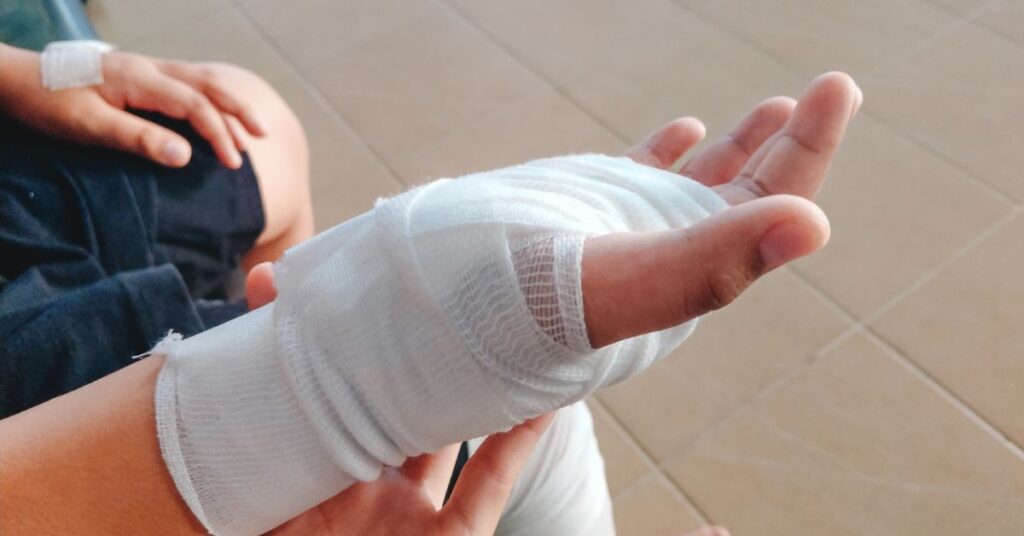
Getting injured in an accident is overwhelming enough without the added stress of filing a personal injury claim. On top of dealing with pain and recovery, there’s the challenge of proving the impact the incident has had on your life. Here’s something many people don’t realize right away—in personal injury (PI) cases, your best asset isn’t just a great lawyer or a compelling story. It’s also documentation.
Every bruise, ache, and medical visit holds weight when it comes to building a strong case. Keeping track of these details might feel tedious at first. However, those notes and records could make all the difference between a settlement that reflects your experience and one that falls short.
This post will walk you through the importance of documenting your injuries in a PI claim, what kinds of records to keep, and how doing so can protect your rights. By the time you’re done reading, you’ll feel more prepared to take this step toward getting the compensation you deserve.
Paints the Full Picture of Your Pain and Struggles
Accidents can transform your daily routine in unexpected and overwhelming ways. Pain can keep you from enjoying hobbies, spending time with loved ones, or getting through a workday. Writing down how your injuries impact your emotional and physical well-being allows you to build a narrative about what you’re facing.
Take note of moments when you couldn’t sleep due to discomfort or had to miss important events because of immobility. This kind of detailed documentation makes it easier to explain the impact of your injuries to others.
Strengthens Connections Between Your Injury and the Incident
Proving that your injuries are a direct result of the accident is one of the most important parts of a personal injury claim. To do this effectively, create a timeline of events starting from the accident itself.
For example, keeping photos of your injuries (if they are visible) immediately after the incident and tracking how they developed over time can directly link your condition to that moment. Recording your initial diagnosis, follow-up care, and treatments ties each step of your recovery to the original injury. Without these details, the other party might question whether something else caused your condition, putting your claim at risk of being undervalued.
Fills Gaps in Memory
The stress of an accident can make the smallest details of what you’re going through hard to recall. Months or even years after the event, memories of how your injuries initially felt or what your recovery looked like might become blurry.
Writing things down as they happen helps to protect those details, so you don’t forget anything at any stage in your claim. Even small notes, like how you felt after a particular treatment or how long a bruise took to fade, create a stronger record of your experience.
Keeps Accusations of Exaggeration at Bay
Personal injury claims can often face scrutiny, with some opposing parties suggesting that a victim is overstating their pain or difficulties. When you take steps to document everything clearly, such as photographing injuries and maintaining a medical journal, you have hard evidence to back up your story.
Instead of debating the reality of your suffering, you can present proof that speaks for itself. Keeping receipts for medical expenses, logging the days you missed work, and recording limitations in your daily tasks are undeniable support.
Helps Medical Professionals Treat You More Effectively
Medical personnel provide essential insight into your condition, and keeping detailed records allows them to offer specialized care. By tracking your symptoms, including changes like swelling, persistent pain, or restricted motion, you can give your doctors valuable input that shapes their approach.
Medical records often align with what you report. When you visit a specialist or seek a second opinion, having your own notes ensures you’re relaying consistent and accurate information. This step improves your ability to heal and reinforces your personal injury claim, as your diligence will be reflected in your treatment history.
Empowers Legal Teams
Personal injury cases often succeed when backed by strong evidence. A detailed record of your injuries gives your legal team the tools they need to advocate for you more effectively. Whether you’re working with a general attorney or an Idaho birth injury lawyer in cases involving medical negligence, lawyers require solid documentation to build a case.
Your notes, photos, and medical records help attorneys craft strategies that make your fight for fair compensation as compelling as possible. Giving them this information positions them to demonstrate the severity of your injuries and their lasting effects, making it harder for the opposition to undermine your case.
Offers a Clear View of Long-Term Consequences
Some injuries, like spinal damage or chronic pain conditions, shake up your life far beyond the immediate aftermath of an accident. Keeping meticulous records ensures that you’re accounting for these ongoing consequences. Maybe you’ve had to attend physical therapy sessions or change careers because your duties became too physically demanding.
Keeping a record allows you to include these extended needs when calculating the compensation you’re requesting. Instead of only considering your current situation, it provides a foundation for seeking coverage for future expenses, which can make all the difference in securing adequate financial support.
Shows Commitment to Following Your Recovery Plan
Personal injury cases often hinge on whether or not a victim took responsibility for their recovery. Keeping up with doctor appointments, sticking to prescribed treatments, and following through on therapy show you are doing your part.
You can use your documentation to create a timeline of your recovery efforts, proving you followed medical advice as closely as possible. If the opposition tries to argue that your condition is the result of negligence or noncompliance, you’ll have the evidence to counter those claims.
Builds Confidence in Your Case
The legal system can feel intimidating when you’re recovering from an accident. Having detailed records on your side gives you a greater sense of control. Knowing you’ve prepared thoroughly leaves you feeling more confident when discussing your experiences with lawyers, insurance adjusters, or even a judge.
Thorough documentation ensures you’re never caught off guard by requests for information or claims that challenge your story. Your records aren’t just about the claim itself; they also empower you throughout what could be an overwhelming process.
Closing Thoughts
Taking control of your PI claim starts with a simple step: paying attention to your own story. Documenting your injuries can help you validate what you’ve been through and what you deserve moving forward. It’s about honoring your experience and making sure it’s accurately represented.
If you’re feeling unsure about where to begin, don’t hesitate to reach out to the pros at Rossman Law Group for guidance. From speaking with a trusted legal professional to starting a journal about your recovery, every effort matters. This process involves turning a difficult situation into a fair resolution.