

Strokes and Medical Malpractice: What You Need to Know
August 21, 2025
The Importance of Documenting Your Injuries for a PI Claim
October 10, 2025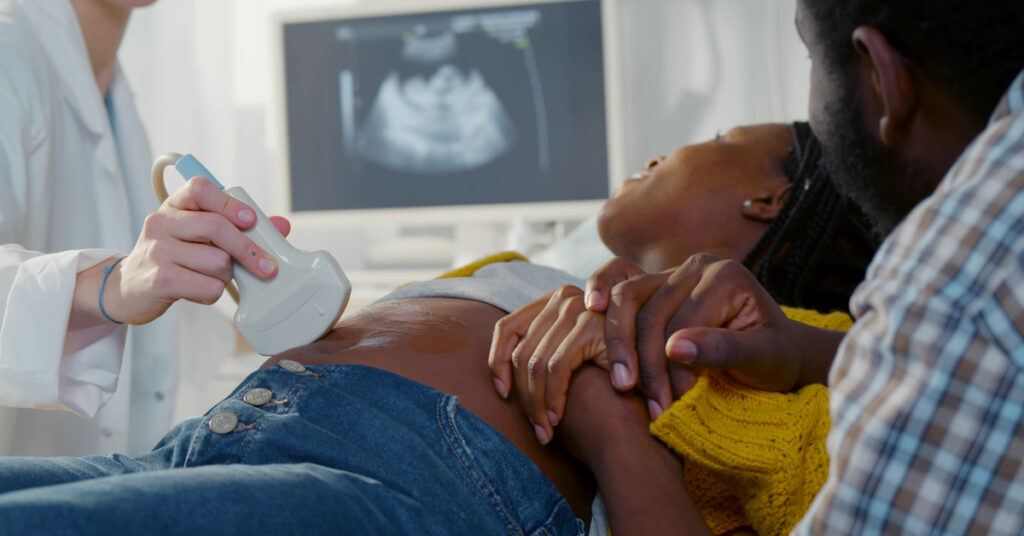
Cerebral palsy is a condition that impacts movement, muscle tone, and posture, often stemming from brain damage early in development. Expectant parents may want to understand potential risks and detect signs of this condition. But how early can doctors identify cerebral palsy? Advances in medicine provide some answers, making detection possible even before a child is born.
How Prenatal Testing Plays a Role
While there isn’t a specific test to diagnose cerebral palsy before birth, certain markers or complications may prompt closer evaluation. Medical scans, such as ultrasounds, can reveal brain abnormalities, restricted growth, or other factors that may indicate a higher risk. MRI scans, though less common during pregnancy, are occasionally recommended for more detailed imaging.
When a doctor identifies potential risks, it doesn’t always mean the condition is present. Sometimes, these findings simply create a need for more precise monitoring or intervention after birth.
Evolving Science and Genetic Insights
Most cases of cerebral palsy don’t stem from inherited genetic causes, but breakthroughs in research are uncovering rare genetic links in certain cases. Genetic testing before delivery might sometimes detect these abnormalities, especially when pregnancy is accompanied by significant risk factors such as chemical exposure or illness.
Note, however, that not all families will need or qualify for these advanced screenings. Doctors typically suggest them only when there’s a history of birth conditions, associated symptoms, or specific concerns.
Warning Signs and Risk Factors During Pregnancy
Certain pregnancy complications may heighten the likelihood of cerebral palsy developing. Oxygen deprivation, premature birth, and maternal infections are notable risk factors. For example, intrauterine or bacterial infections can impact fetal brain development. A doctor will monitor these risks closely and possibly recommend added precautions.
While observing these warning signs doesn’t confirm the condition, understanding them empowers parents with knowledge. By addressing risk factors early, parents and doctors can focus on measures that support both prenatal and postnatal health.
After Birth: When a Diagnosis Might Be Confirmed
Even when concerns arise during pregnancy, cerebral palsy is typically diagnosed after birth. Delayed milestones, abnormal muscle tone, and movement patterns guide this process. Consulting a specialist, such as a neurologist, often provides families with the necessary answers.
For families who suspect that medical negligence played a role in their baby’s condition, connecting with a cerebral palsy attorney could be valuable. Professionals in this field can assess whether errors during pregnancy or delivery might have contributed.
Expecting a baby comes with questions, hope, and sometimes challenges. While detecting cerebral palsy before birth isn’t always straightforward, staying informed about risk factors and testing options can give you peace of mind. Healthcare providers are essential resources, helping families feel confident and supported every step of the way.