


Stroke Symptoms in Young Adults: Misdiagnosis and Liability
June 16, 2025
Steps To Take if You’re Hurt by a Defective Medical Device
July 2, 2025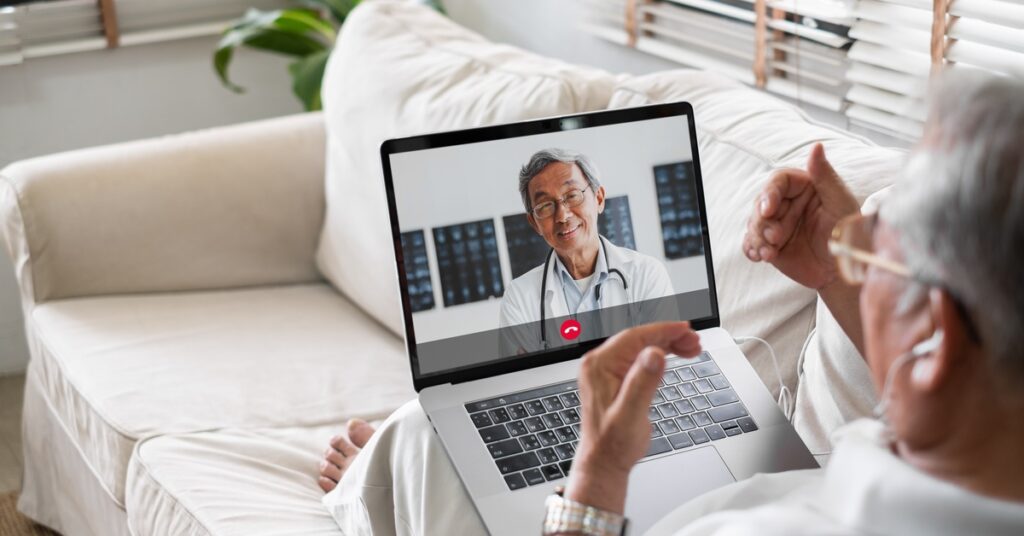
Advancements in telemedicine have transformed how people access healthcare by offering convenience and faster connections to medical professionals. However, as with any significant shift in healthcare delivery, the technology brings new questions about accountability and risk when things go wrong. Today, we’re exploring how telemedicine impacts medical malpractice and what both patients and providers need to know.
The Evolution of Patient Care
Telemedicine allows patients to consult doctors via video calls, messaging apps, or specialized platforms without leaving home. While this innovation broadens access to care, it also creates unique malpractice risks.
Concerns around missed diagnoses, miscommunication, or inadequate follow-up care become more relevant when healthcare happens outside of traditional clinical settings. For example, poor video quality or technological glitches might impact how thoroughly a doctor evaluates symptoms, which may lead to diagnostic errors.
How Legal Standards Are Shifting
Telemedicine hasn’t just changed healthcare delivery; it has also challenged traditional legal definitions of medical malpractice. Typically, malpractice claims hinge on the idea that a doctor failed to meet the “standard of care.”
However, defining this standard in telemedicine can get tricky. Does an online consultation carry the same expectations as an in-person visit? Courts and legal experts are still working through these distinctions as telemedicine continues to grow.
Every new case prompts questions about liability. If a prescription is sent electronically but contains mistakes due to a misunderstanding during a virtual consult, how does the law view accountability? Patients and providers alike should stay informed about emerging regulations shaping telemedicine practices.
Challenges in Proving Medical Malpractice
Proving medical malpractice can already feel like an uphill battle, and adding telemedicine to the mix introduces new hurdles. Digital healthcare often relies on records like chat logs or video consult recordings. These might lack the same level of detail as traditional medical charts, making it tougher to pinpoint specific errors. Poor documentation or discrepancies between systems can further complicate cases.
For patients exploring legal options, seeking guidance from a hospital negligence attorney can help to untangle the specifics of a telemedicine-related claim. Their expertise becomes invaluable when dealing with these unique circumstances.
Preventive Steps for Both Sides
Healthcare providers can take proactive measures to reduce risk. Clear communication during telemedicine visits is key, including discussing symptoms thoroughly and advising patients on next steps. Testing and implementing reliable technologies also reduces errors tied to technical issues.
For patients, understanding their conditions and asking the right questions during consultations improves outcomes. Both sides must approach telemedicine interactions thoughtfully to build trust and improve accuracy.
Final Thoughts
Telemedicine is highly beneficial in many ways, but it also adds new layers of risk and responsibility. Patients and providers must adapt to these changes with awareness and readiness to address challenges. By prioritizing transparent communication and staying informed about how telemedicine impacts medical malpractice and the evolving legal standards, everyone can benefit from telemedicine’s potential without compromising on safety.