

Infant Brain Damage: Recognizing the Immediate Symptoms
December 8, 2025
What Is a Failure To Diagnose a Heart Condition?
December 19, 2025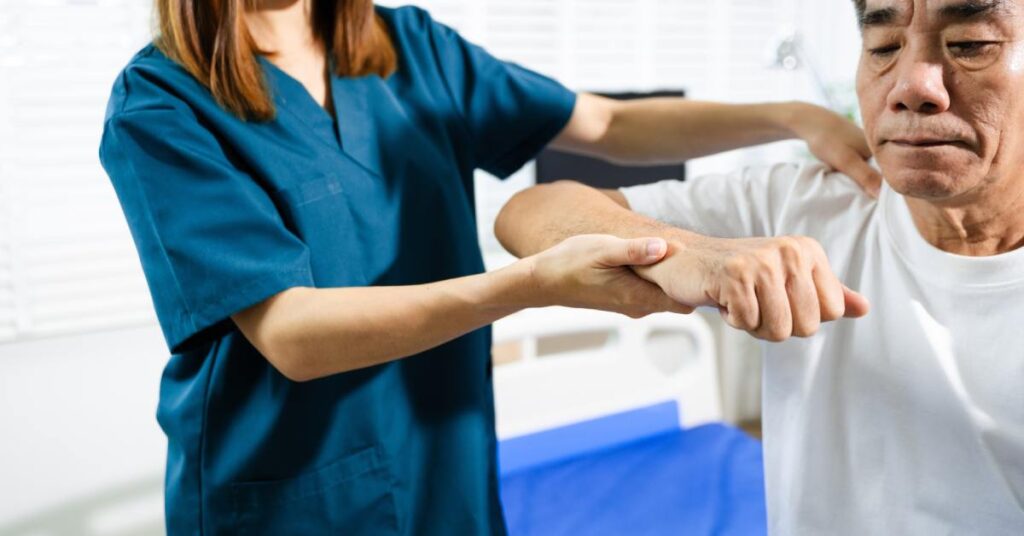
Recovering from a stroke is a challenging journey that affects the survivor and their entire family. The path to regaining function and independence is unique for each individual, but understanding the process can empower you and your loved ones. The key aspects of stroke recovery involve a combination of medical care, rehabilitation therapies, and emotional support, all working together to restore quality of life. Read on to learn more.
Rehabilitation Therapies Form the Foundation
Rehabilitation is the cornerstone of stroke recovery. It typically begins in the hospital as soon as the patient’s condition stabilizes. A team of specialists creates a personalized plan to address the specific effects of the stroke. Physical therapy helps restore movement, balance, and coordination through targeted exercises. Occupational therapy focuses on helping individuals relearn daily activities, such as dressing, eating, and bathing. Speech-language pathologists work with patients to regain communication skills and address any swallowing difficulties. Consistent participation in these therapies is vital for maximizing recovery.
Medical Management Supports Healing
Ongoing medical care is essential to prevent another stroke and manage any related health conditions. Doctors often prescribe medications to control high blood pressure, cholesterol, and other risk factors. They also monitor the patient’s progress and adjust treatment plans as needed. Following the prescribed medical regimen and attending regular follow-up appointments are crucial components. This proactive approach to health management provides the stability needed for the brain and body to heal effectively.
Emotional and Mental Support Is Crucial
The emotional and psychological impact of a stroke can be just as significant as the physical effects. Many survivors experience feelings of frustration, depression, or anxiety. Addressing these mental health challenges is one of the key aspects of stroke recovery. Support from family, friends, and support groups provides encouragement and reduces feelings of isolation. Additionally, professional counseling or therapy can offer coping strategies and help individuals navigate the emotional hurdles of their new reality, fostering resilience for the journey ahead.
Let Us Help You Navigate Your Case
If you believe a medical professional’s error contributed to a stroke, you may have grounds for legal action. A dedicated stroke negligence lawyer from Rossman Law Group can help you understand your rights and explore your options. Contact us today for a consultation.