


Can You Sue a Doctor for an Inaccurate Diagnosis?
December 26, 2024
Who’s Most at Risk for Misdiagnosed Stroke?
January 15, 2025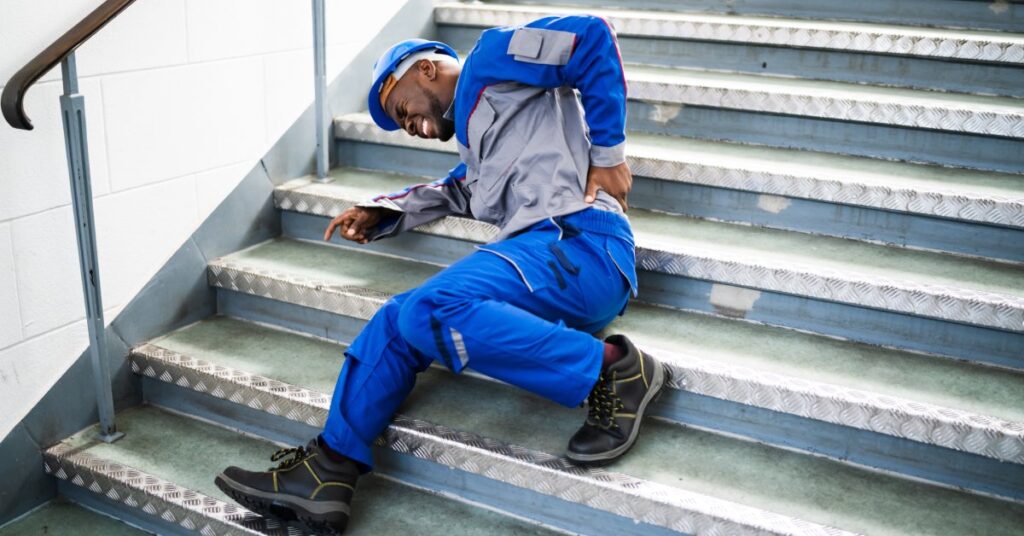
Slip-and-fall accidents happen more often than we’d like to admit. One moment everything feels fine, and the next, you’re on the ground wondering what just happened. These incidents can leave more than a bruised ego—they often result in serious injuries that affect daily life. Knowing the most common types of slip-and-fall injuries helps you understand the risks and take steps to protect yourself and your loved ones.
Head Injuries
A fall that impacts the head can lead to anything from a mild bump to a more serious traumatic brain injury (TBI). These injuries can cause symptoms like headaches, vision problems, confusion, and, in severe cases, long-term cognitive changes.
Even if you feel okay right after hitting your head, symptoms might show up hours or even days later. Therefore, seeking medical attention promptly after any head trauma is critical.
Back and Spinal Cord Injuries
Slipping on a wet surface or tripping over an obstacle can lead to back injuries, including herniated discs. Pain or numbness might show up immediately, but sometimes these symptoms remain hidden until later.
Severe falls could harm the spinal cord itself, which may result in paralysis. And back problems often linger, making it difficult to sit, stand, or move comfortably. If you’re having trouble adapting physically and financially to life after a significant fall, talk to an injury lawyer in Boise, Idaho, about your options for compensation.
Sprains and Strains
Twisting your body during a fall can cause sprains or strains in your muscles or ligaments. Ankles and wrists are some of the most common areas affected, leaving you with swelling, bruising, or limited movement.
While these injuries may seem minor compared to others, they can still take weeks to heal, disrupting your routine. Walking, lifting, or even holding small objects might feel impossible for a while.
Cuts and Bruises
Sometimes, the damage from a fall is to the skin rather than the bones or muscles. Scraping against sharp edges or rough surfaces during a fall can lead to lacerations that require stitches or professional care.
Even without breaking the skin, falls often leave deep bruises that ache for days. Though these injuries might not sound as serious, they can still be painful reminders of the accident.
Emotional Impact
It’s easy to focus on the physical injuries, but slip-and-fall accidents can also take a toll on your mental health. You might feel embarrassed, anxious, or even scared to walk through the same area again. These emotions are valid, and sometimes discussing them with a professional can help you heal just as much as treating the physical injuries.
Slip-and-fall accidents of all kinds can result in anything from minor scrapes to life-altering injuries. Staying aware of the risks at home, at work, and in public places keeps you more mindful of potential hazards. Treat your body and mind with the care they deserve and remember that even small changes in your daily routine can make a big difference in keeping you safe.